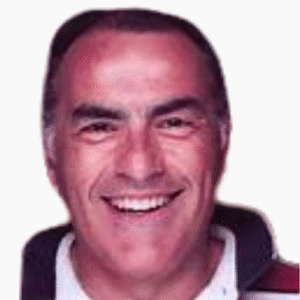
Marco Falasca
Professor, Metabolic Signalling, Department of Medicine & Surgery University of Parma
Marco Falasca is a Professor of Biochemistry in the Department of Medicine and Surgery at the University of Parma, Italy, and an Adjunct Professor at the University of Western Australia in Perth. After completing his PhD in Italy, he undertook postdoctoral training at New York University Medical Center. An internationally recognized expert in lipid signalling and metabolism, Professor Falasca has made seminal contributions to understanding how lipid metabolism and signalling pathways influence cellular communication. Over a career spanning more than three decades, he has held academic positions at leading institutions across Europe and Australia, including University College London, Queen Mary University of London, and Curtin University in Perth, where he led innovative translational cancer research programs. He is currently affiliated with several research consortia and is a founding member of LIPOVEXA S.r.l., a spin-off company developing lipid-based therapeutics for metabolic diseases. Professor Falasca has published over 200 peer-reviewed articles in high-impact journals and serves on the editorial boards of several scientific publications. His research has been supported by numerous national and international grants, and he is frequently invited to speak at major scientific conferences worldwide. Professor Falasca?s ongoing work continues to advance our understanding of lipid signalling and its role in disease, offering promise for more effective and personalized therapies in metabolic disorders.
Seminars
- Understanding how combining therapies like GLP-1 RAs and SGLT-2 inhibitors creates a synergistic effect that more effectively addresses the complex interplay of cardiovascular disease and comorbidities to move beyond the benefits of single-agent treatments to reduce major adverse cardiovascular events (MACE)
- Recognizing that combination therapies are proving beneficial across a wide range of patients, including those with and without diabetes, and those with varying degrees of obesity and chronic kidney disease to enable a more holistic and personalized strategy for improving cardiovascular health
- Grasping the compelling clinical evidence from recent trials demonstrating that this multi-drug approach provides significant, measurable reductions in MACE, all-cause mortality, and heart failure hospitalizations, fundamentally shifting the paradigm for high-risk cardiovascular patients